 Why Major Repairs Catch Landlords Off Guard
 Why Major Repairs Catch Landlords Off Guard
It’s January in Columbus. Your tenant calls to say the furnace just quit, and the repair quote comes back at $5,000. You weren’t expecting that bill, at least not now. Suddenly, the cash flow that looked solid on your spreadsheet has vanished overnight. For many property owners, this scenario feels like bad luck. In reality, it’s a predictable outcome of reactive maintenance.
Major repairs (roofs, HVAC systems, driveways, plumbing) aren’t true “surprises.” They’re simply poorly timed realities for landlords who haven’t built capital planning into their annual budgets. When these projects hit unexpectedly, they strain both finances and peace of mind. As one Columbus investor recently told us, “You can’t control when a furnace fails, but you can control whether it wrecks your cash flow.”
To prevent that panic, it helps to understand the difference between operating expenses and capital expenses.
- Operating Expenses (OpEx) cover routine, recurring costs that keep a property running day-to-day. Things like landscaping, cleaning, or small plumbing repairs.
- Capital Expenses (CapEx) involve significant improvements or replacements that extend a property’s useful life: roofs, HVAC units, electrical systems, or foundation work.
Under IRS Publication 527 (Residential Rental Property), CapEx must be depreciated over time because it adds value or extends the life of the property rather than simply maintaining it. That distinction matters when planning both budgets and taxes.
For landlords in Central Ohio, capital expenses often come faster than expected. The region’s freeze-thaw cycles cause concrete and exterior materials to expand and contract, while humid summers wear down paint, siding, and HVAC systems more quickly. In short, local climate speeds up the repair clock.
What Counts as a Capital Expense in Rental Properties?
Not every repair is created equal. Some expenses keep your property running; others extend its life or add long-term value. The IRS calls the latter capital expenses (CapEx) – improvements that prolong a property’s useful life, increase its value, or adapt it to a new use.
IRS Definition and Real-World Examples
According to IRS Publication 527: Residential Rental Property, a repair that restores or maintains a property is considered an operating expense, while a project that improves or upgrades it is a capital expense. These items are depreciated over time because they provide value beyond the current tax year.
Here’s how that plays out for Columbus landlords:
- Exterior: Roof replacement every 15–20 years; repainting or new siding every 7–10 years.
- Mechanical Systems: Furnace or central air replacement every 10–15 years; water heater every 8–12 years.
- Infrastructure: Driveway resurfacing, sewer line upgrades, and major electrical or plumbing replacements.
- Interior: New flooring, full kitchen remodels, and bath renovations that modernize or expand livable space.
Each of these projects adds durability and value, making them predictable, not occasional surprises.
Common Columbus Capital Costs
In Central Ohio, current market averages (as of late 2025) include:
- HVAC replacement: $4,500–$7,000 per system
- Roof replacement: $8,000–$12,000 for a standard single-family home
- Driveway resurfacing: $3,500–$6,000, depending on size and condition
Because Columbus experiences harsh winters and humid summers, landlords can expect many exterior systems to age faster than the national average. Planning for these cyclical expenses is essential for stable cash flow and asset preservation.
Pull-Quote: “A planned $5,000 HVAC replacement is manageable. An emergency one in January isn’t.”
Why Proper Classification Matters
Misclassifying expenses (deducting a capital project as a repair, for example) can lead to tax errors or IRS penalties. Partner with a CPA or property management firm familiar with real estate depreciation rules and maintenance budgeting to ensure compliance and maximize deductions.
How Much Should Columbus Landlords Budget for Capital Expenses?
Budgeting for capital expenses isn’t about predicting every repair – it’s about setting aside the right percentage so that when a big-ticket project arises, it doesn’t derail your cash flow. Fortunately, there’s solid industry guidance to help landlords plan.
The 5–10% Rule of Thumb
Most property management and housing experts recommend allocating 5–10% of annual rental income toward long-term capital expenses.
At RL Property Management, we’ve found that range to be practical for Columbus landlords, with some variation depending on property type:
- Single-family rentals: 5–8% of annual rent
- Small multifamily properties: 3–5%, since shared systems (like roofs or HVAC units) reduce per-unit costs
This percentage provides a predictable, proportional way to plan, allowing landlords to match savings to the property’s earning potential rather than arbitrary dollar figures.
Local Example: Columbus in Real Numbers
Let’s take an average single-family rental in Columbus, Ohio, where the monthly rent as of 2025 is roughly $1,800.
- Annual rent: $1,800 × 12 = $21,600
- Applying the 5% rule: $1,080 per year, or $90 per month, should be earmarked for future capital expenses.
That level of savings can help offset major projects like HVAC replacements, roof repairs, or exterior updates without forcing a landlord to dip into personal funds when issues arise.
Pull-Quote: “Think of reserves as protection for both your property and your peace of mind.”
RLPM’s Maintenance Reserve Policy
To further support financial stability, RL Property Management requires every managed property to maintain a minimum $500 per-unit maintenance reserve. This ensures immediate liquidity for urgent repairs while providing owners with consistent visibility through monthly financial statements.
Many landlords choose to combine their maintenance reserve with a long-term capital savings plan, creating a two-tier buffer: one for immediate needs, another for scheduled replacements.
A clear rule of thumb: start with 5% of annual rent as your baseline and adjust upward for older properties or those with deferred maintenance. The best budget isn’t one that predicts the future – it’s ready for it.
How to Forecast Major Repairs Using Lifecycle Planning
Planning for capital expenses doesn’t have to be guesswork. The key is lifecycle planning: a structured approach to predicting when major systems will need replacement and how much to budget each year. Think of it as a long-range financial map for your property’s physical assets.
The Capital Replacement Schedule
A capital replacement schedule is the backbone of any solid property maintenance plan. It breaks down every major system or component into measurable, predictable costs. Here’s how to build one:
- Inventory Assets: Start by listing all major systems and structures (roof, HVAC, water heater, plumbing, electrical panels, windows, and driveways). Include appliances if you provide them.
- Estimate Useful Life: Reference manufacturer specifications or industry averages. For example, roofs typically last 15–20 years, furnaces 10–15 years, and water heaters 8–12 years.
- Assign Replacement Cost: Use local contractor quotes, recent invoices, or RLPM’s historical data for accurate pricing.
- Set Target Year: Identify the likely replacement year based on the item’s age and condition.
- Divide Costs: Divide the total cost by the remaining useful life to calculate how much you should contribute annually to your reserve fund.
Example Calculation:
- Roof: $12,000 replacement cost ÷ 10 years = $1,200 per year in reserves
- HVAC: $6,000 replacement cost ÷ 12 years = $500 per year
By spreading costs across the asset’s remaining life, you can turn major repairs into manageable, scheduled savings goals rather than last-minute financial shocks.
Pull-Quote: “A 10-year forecast transforms ‘unexpected repairs’ into line items.”
How RLPM Owners Apply This
At RL Property Management, this planning approach is built into how we help clients avoid financial surprises. During our Turn Scope inspections (completed between tenancies), we assess each property’s condition and identify capital needs on the horizon.
One Columbus owner with four rental units recently avoided more than $20,000 in emergency HVAC costs by replacing aging systems proactively, guided by inspection data and a lifecycle forecast. Instead of absorbing four major expenses in a single year, the owner scheduled replacements across 18 months, preserving cash flow and tenant satisfaction.
A well-maintained property doesn’t just stay rentable, it stays profitable. Lifecycle planning is how investors turn maintenance from a reactive headache into a repeatable business process that protects their bottom line.
Why Local Climate and Property Age Matter in Columbus
For Columbus landlords, planning for capital expenses isn’t just about averages – it’s about understanding how local conditions affect the lifespan of building systems. Central Ohio’s unique combination of freeze-thaw cycles, humidity, and aging housing stock makes proactive maintenance not optional, but essential.
The Freeze-Thaw Factor
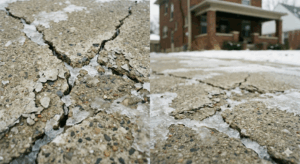
Columbus averages 99+ days per year where temperatures drop below freezing repeatedly between December and March. When temperatures cycle between freezing/non-freezing temperatures, it causes materials like concrete, asphalt, and roofing to expand and contract, slowly breaking them down. Over time, this leads to cracked driveways, heaving foundations, and roof leaks – the kinds of issues that often catch landlords off guard if not budgeted for in advance.
Water infiltration is especially destructive. When melting snow seeps into small cracks and refreezes overnight, it can force expansion by nearly 10%, compounding damage every winter. This means even newer construction in Franklin County needs accelerated exterior maintenance cycles compared to warmer regions.
Aging Inventory
According to the U.S. Census Bureau’s American Housing Survey (2024), the median home in the Columbus metro area was built before 1970, meaning many rental properties are now more than 55 years old. That age often translates to legacy systems (original plumbing, electrical wiring, or HVAC units) nearing or past their useful life.
For investors, this means budgeting more aggressively for replacements and system upgrades. While cosmetic improvements help with curb appeal, the biggest ROI often comes from replacing outdated infrastructure that reduces maintenance emergencies and improves energy efficiency.
The Humidity Problem
Columbus summers are hot, humid, and wet. The average annual rainfall exceeds 39 inches, which contributes to paint peeling, wood rot, and moisture intrusion. High humidity also strains HVAC systems, forcing them to run longer and work harder.
To counteract this, RL Property Management recommends seasonal exterior inspections and preventive maintenance scheduling (especially before winter and after the wet season) to catch issues early.
Quote: “Your property’s ZIP code can tell you more about its next repair bill than your spreadsheet can.”
By pairing local insight with proactive inspections, RLPM helps owners anticipate when their properties’ age and environment will start to affect their bottom line.
Building a Sustainable Capital Reserve Strategy
A strong reserve plan is the backbone of every well-run rental portfolio. Without it, even profitable properties can slip into financial stress when a major repair hits. A sustainable capital reserve strategy ensures you have cash ready for both emergencies and predictable long-term expenses – without interrupting your monthly distributions.
The Three-Tier Approach
At RL Property Management, we encourage clients to build their reserves across three levels, each serving a specific purpose in maintaining financial stability and peace of mind.
- Emergency Maintenance Reserve
Every property should have $500–$1,000 per unit set aside for urgent, short-term repairs (think burst pipes, lock replacements, or furnace failures). This ensures you can act quickly without disrupting owner cash flow or waiting for rental income to replenish. RLPM maintains this standard across all managed units as part of its minimum per-unit maintenance reserve policy. - Short-Term Reserve
This fund typically equals 3–6 months of rent and covers larger, mid-cycle needs such as turnover repairs, appliance replacements, or partial system upgrades. Placing these funds in a high-yield savings or money market account allows the reserve to earn modest interest while remaining accessible. - Capital Reserve Fund
Your long-term cushion, this fund is dedicated to major capital repairs we’ve already mentioned: roofs, HVAC systems, driveways, and exterior paint cycles. The easiest way to build it: allocate a small portion of rent each month or use your capital replacement schedule (outlined earlier) to set annual contribution targets.
Together, these three layers protect against every type of property expense – from the unexpected to the inevitable.
Pull-Quote: “When your reserves are strong, repairs become investments – not emergencies.”
Practical Steps to Build and Maintain Reserves
- Automate Savings: Set up recurring monthly transfers from your operating account to your reserve accounts.
- Reassess Annually: Review reserve targets each year, factoring in inflation, inspection results, and property age.
- Track Progress: RLPM clients can monitor reserves through monthly financial reporting, which shows property balances and recent maintenance activity in real time.
A disciplined reserve strategy doesn’t just prevent stress, it builds confidence. When capital funds are in place, landlords can focus on growth, knowing their assets are protected and their cash flow is steady, even when the unexpected happens.
The ROI of Proactive Capital Planning
Capital planning isn’t just about avoiding emergencies… it’s about building predictable profitability. When landlords approach major repairs as investments rather than burdens, they see measurable returns across tenant satisfaction, operating efficiency, and long-term property appreciation.
The Long-Term Payoff
A well-maintained property attracts and retains quality tenants. Renters are more likely to renew when they see consistent upkeep: fresh paint, efficient systems, and a property that feels cared for. That translates to lower turnover costs, fewer vacancies, and more stable income.
Financially, proactive capital planning also reduces compounding maintenance costs. A landlord who replaces an aging roof before it leaks avoids interior damage, mold remediation, and months of lost rent. In short, planned capital work preserves profit margins by preventing cascading expenses.
Property value is another benefit. Consistent upgrades (new HVAC, exterior improvements, or modernized interiors) improve appraised value and help properties outperform the market over time.
Pull-Quote: “Every dollar in planned capital work preserves five in long-term property value.”
Local Example
One long-term RLPM client with four Class B rentals in Northeast Columbus implemented a five-year capital improvement plan that included replacing HVAC systems, updating siding, and resurfacing driveways. The total investment was roughly $25,000, but the portfolio’s appraised value rose by more than $40,000 over that same period. Vacancy rates also dropped by half, demonstrating how smart planning creates tangible ROI, not just peace of mind.
Market Proof
Data supports what experienced investors already know: Columbus Class B properties that maintain steady capital improvement schedules consistently outperform unmanaged peers. According to regional housing data, rent growth and resale value are both higher among properties with visible, well-documented upgrades.
For landlords focused on sustainable cash flow, proactive capital planning isn’t optional, it’s a growth strategy. The investors who plan their expenses today are the ones who protect (and multiply) their returns tomorrow.
Turn Capital Planning into a Strategic Advantage
Proactive budgeting isn’t just about avoiding financial surprises. It’s about running your rental properties like a business. Landlords who plan for major repairs don’t just protect their income; they position themselves to reinvest strategically, attract better tenants, and grow long-term equity.
At RL Property Management, we treat capital planning as part of an investor’s overall strategy, not an afterthought. Through detailed property inspections, lifecycle forecasting, and transparent monthly reporting, our team helps Columbus property owners anticipate upcoming expenses before they become urgent. This approach turns maintenance into a predictable line item – and major repairs into opportunities to add value.
Whether you manage one home or a growing portfolio, setting up a sustainable capital expense plan can be the difference between steady growth and reactive spending. The smartest landlords know their numbers, plan their budgets, and build reserves before they’re needed. Let us know if you’d like help building your own strategic advantage. We’re here to help.