 Look for Recurring Repair Patterns
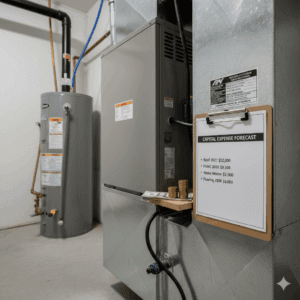
If the same maintenance issue keeps showing up in your logs, it’s no longer a repair; it’s a replacement waiting to happen. Property investors often delay upgrades because a fix “seems cheaper” in the moment, but recurring costs add up quickly. For example, if your HVAC system requires two or more service calls in a single year, that’s a signal to run a replacement ROI analysis. The cost of repeated emergency visits, often $250–$500 each, can easily exceed the monthly loan payment on a new, efficient system.
When tenants experience constant disruptions or unaddressed issues, they’re far less likely to renew. According to HUD’s Capital Needs Assessment Guidelines, tracking and forecasting major repairs can extend asset lifespan and stabilize cash flow over time.
Use Inspection Data, Not Gut Instinct
RL Property Management’s Turn Scope process makes improvement timing a data-driven decision. Before a new lease begins, RLPM conducts a full pre-moveout inspection and creates a detailed cost scope, essentially a roadmap of what needs attention and when. Each project includes owner review and approval, ensuring no surprise expenses.
Using this system, owners can spot trends early: peeling paint that signals moisture intrusion, electrical outlets that repeatedly fail, or aging appliances beyond their warranty lifespan. Annual inspections go a step further, documenting property condition year over year so capital needs are forecasted, not guessed.
Pro Tip: Review your inspection photos annually side-by-side. Visual evidence often tells the story better than memory, especially for systems nearing the end of life.
Columbus Property Example
Many of Columbus’s most desirable rental neighborhoods, Clintonville, Grandview, and the Near East Side, feature homes built between the 1940s and 1960s. These properties often have original plumbing or single-pane windows that drain efficiency and tenant satisfaction. Upgrading to PEX plumbing or double-pane windows can cut water and heating costs by 10–15% annually.
Checklist for Action:
- Repairs recurring 2+ times in 12 months
- Systems beyond 75% of useful life
- Visible wear affecting tenant satisfaction or leasing photos
- Turnover tied to maintenance complaints
What Types of Improvements Drive the Highest ROI in Columbus Rentals
The Columbus ROI Hierarchy
Not all property upgrades are created equal, and in a city like Columbus, where housing stock varies from 1920s duplexes to 2010s infill townhomes, knowing which improvements matter most is key. The highest-return projects are those that balance cost, durability, and tenant appeal, especially in Class A and B neighborhoods like Clintonville, Grandview Heights, Worthington, and Westerville.
According to the Remodeling 2025 Cost vs. Value Report (Midwest Region), midrange improvements focused on functionality, energy efficiency, flooring, and updated kitchens yield the best long-term ROI in Central Ohio. Cosmetic upgrades that don’t improve performance or tenant experience rarely pay off.
| ROI Level | Improvement Type | Typical ROI | Notes |
| High | Energy-efficient windows, LVP flooring, kitchen refresh (new cabinets, fixtures, and appliances) | 10–20% | Increases rentability, lowers maintenance costs, and boosts appraisal value |
| Medium | Exterior paint, landscaping, bathroom updates | 5–10% | Improves curb appeal and lease-up speed |
| Low | High-end finishes in workforce or C-class housing | <5% | Minimal rent increase; often over-capitalization |
Upgrade Smarter, Not Pricier
The goal isn’t to spend more, it’s to spend strategically. A $5,000 flooring upgrade in a two-bedroom rental can justify a $75–$100 rent increase, paying for itself in under five years. Meanwhile, a $10,000 HVAC replacement may not increase rent directly, but it can reduce turnover and emergency repair calls, two of the biggest hidden costs in property ownership.
Energy-efficient upgrades, like LED lighting, programmable thermostats, or double-pane windows, also attract higher-quality tenants who value lower utility bills. These improvements align with local and federal incentives, including the City of Columbus Energy Efficiency Program, which offers rebates for insulation and appliance upgrades.
RL Property Management often sees the strongest ROI from mid-tier improvements that reduce ongoing maintenance, particularly flooring and kitchen refreshes. LVP flooring, for example, cuts long-term repair costs by withstanding moisture and wear far better than carpet or laminate.
Example ROI Breakdown
Scenario 1: Flooring Upgrade (High ROI)
- Cost: $5,000
- Rent Increase: $100/month
- Payback Period: ~4.2 years
Scenario 2: HVAC Replacement (Maintenance ROI)
- Cost: $10,000
- Savings: Fewer service calls (~$800/year) + lower turnover
- ROI: Realized through reduced vacancy and emergency costs
Columbus Market Insight:
Franklin County rentals that advertise recent upgrades, especially efficient appliances or new flooring, lease 10–15 days faster on average.
Budgeting for Capital Expenses: Creating a Realistic Reserve Plan
Why Reserves Protect Your Cash Flow
Every property owner knows that maintenance is inevitable, but not everyone plans for it. A well-funded reserve isn’t just a safety net; it’s a cash flow stabilizer. Without one, even minor repairs can turn a profitable month into a loss.
RL Property Management recommends maintaining a minimum reserve of $500 per unit as a baseline for both emergency repairs and planned improvements. This allows maintenance to move forward quickly, without waiting for owner funding, and keeps tenants satisfied with faster response times.
Unfortunately, many independent investors underfund reserves by 20–30%. When a $2,000 furnace replacement or a $5,000 roof repair hits, that shortfall forces owners to pull from personal funds or delay work, both of which can hurt ROI.
A strong reserve plan transforms those emergencies into manageable business expenses. It’s not about predicting every repair; it’s about being financially ready for any of them.
How to Estimate Annual Capital Costs
The easiest way to forecast capital expenses is to break them down by system lifespan and replacement cost. Begin with the big-ticket items: roof, HVAC, water heater, and major appliances, and calculate their annualized cost.
For example:
- Roof ($10,000 ÷ 20 years = $500/year)
- HVAC ($8,000 ÷ 15 years = $533/year)
- Water heater ($1,200 ÷ 10 years = $120/year)
- Flooring ($4,000 ÷ 8 years = $500/year)
Total annual reserve target: roughly $1,600–$2,000 per property, before inflation.
This approach, often called the sinking fund model, prevents major expenses from blindsiding your operating budget.
Pro Tip: If you own multiple properties, treat each one as its own budget unit. RLPM’s owner portal makes this simple by tracking property-specific balances, expenses, and invoices in real time.
The 5-Year Plan Every Investor Should Have
To budget like a professional investor, follow these five steps:
- Assess Building Age & Systems – Identify costly replacements due within 5 years.
- Review Inspection Notes – Flag recurring maintenance items or aging infrastructure.
- Estimate Replacements by Lifespan – Use standard benchmarks (HVAC 15 years, roof 20–25, appliances 8–10).
- Add Inflation (3–4% Annually) – Construction costs have risen faster than general inflation since 2022.
- Reassess Annually – Update forecasts using reports from your property manager or owner portal.
Example: If a duplex roof will cost $10,000 in 10 years, setting aside $1,000 per year plus inflation means you’ll have the full amount ready when needed, without disrupting your monthly cash flow.
When to Time Improvements for Maximum ROI
Plan Upgrades Around Tenant Cycles
Timing can turn a good investment into a great one. Completing major work between tenants, a core RL Property Management best practice, minimizes disruption, protects relationships, and speeds up re-leasing. By scheduling renovations immediately after move-out, owners can combine make-ready maintenance with capital upgrades, reducing downtime and maximizing rental value.
For example, if a tenant’s lease ends in May, scheduling paint, flooring, and minor kitchen updates in June allows your property to hit the peak leasing window in July. A property that looks fresh and move-in ready rents faster and commands higher rent than one showing deferred maintenance.
Use Seasonality to Your Advantage
Columbus’s rental market follows a predictable rhythm. Most lease renewals and turnovers occur between April and August, when renters are more willing to move and competition peaks. During these months, even moderate upgrades, fresh paint, updated fixtures, or landscaping can help your property stand out among similar listings.
According to market observations and property management data, spring and summer units rent faster and at higher rates than winter listings. In contrast, off-peak months (November–February) are ideal for system and infrastructure projects. Contractors typically offer 10–15% lower pricing during these months due to reduced demand, and scheduling flexibility is far greater.
Timing Strategy Example:
| Season | Project Type | Benefit |
| Winter | HVAC, flooring | Vendor availability; off-season pricing |
| Spring | Landscaping, curb appeal | Leverage the peak demand season |
| Summer | Full-unit turns, kitchen & bath upgrades | Fast leasing; higher rent potential |
| Fall | Roof, insulation, gutters | Weather prep before winter |
Why Proactive Is Always Cheaper
Emergency projects cost more, sometimes 30–50% more, due to rush labor, after-hours rates, and limited contractor availability. Proactive planning avoids those costs while preserving tenant satisfaction and protecting property value.
A well-timed improvement plan also gives you time to compare quotes, select the best vendor, and align upgrades with cash flow cycles. It’s not just about spending less; it’s about spending intentionally.
Pro Tip:
Leverage your property manager’s inspection schedule to identify ideal project windows. RLPM’s inspection and reporting system helps owners align upgrades with turnover timing, ensuring every improvement supports your long-term ROI rather than interrupting it.
Partnering with Experts: How Professional Management Adds Value
More Than Maintenance: Strategic Asset Management
A great property manager doesn’t just handle repairs; they manage strategy.
At RL Property Management, every maintenance request, inspection report, and improvement project feeds into a bigger goal: protecting and growing your investment. The difference between reactive maintenance and proactive asset management comes down to planning, transparency, and execution.
By combining local market expertise with structured systems, RLPM helps property owners make smart, data-backed improvement decisions, prioritizing projects that deliver measurable ROI, not just cosmetic appeal. Every upgrade is reviewed not only for necessity but for impact on rentability, efficiency, and long-term property value.
How RLPM Safeguards Your ROI
RLPM’s project management service ensures owners don’t have to guess which vendors to trust or wonder whether work is being done right. For larger projects, a 15% management fee (capped at $3,000) covers the entire oversight process, including:
- Vetting qualified contractors and obtaining fair bids
- Scheduling and supervising vendor work
- Verifying scope completion before payment
- Providing digital documentation and before/after photos
Owners receive transparent cost estimates and real-time progress updates through RLPM’s Owner Portal, where invoices, receipts, and work orders are logged automatically. This makes it easy to compare costs year over year, track recurring expenses, and build future budgets with confidence.
Example:
When RLPM oversees a $7,500 exterior paint project, the owner can log in anytime to see vendor bids, invoices, and completion photos, all in one place. No chasing updates. No guessing where your money went.
Peace of Mind, Backed by Process
RLPM’s commitment to Clear Communication, one of its six core values, means you’re never left wondering what’s next. Each project is documented, explained, and aligned with your goals before work begins.
This approach turns what could be stressful, open-ended spending into a predictable investment strategy. Owners know exactly how their dollars are being used and why.
Think of professional management as insurance for your investment’s future. With expert oversight, every dollar spent adds measurable value and peace of mind.
When you partner with professionals who treat your property like a long-term asset, you’re not just maintaining a building, you’re building wealth.
TAKE ACTION: Build a 5-Year Improvement Plan Today
Start Your Capital Roadmap
Every successful investor knows that consistency, not luck, drives long-term returns. The smartest way to protect your portfolio and maximize ROI is to plan your property improvements before they become urgent. A structured 5-year plan gives you control over timing, budgeting, and vendor selection, so upgrades happen on your schedule, not the market’s.
RL Property Management helps Columbus investors do exactly that. Through our Capital Planning Consultation and Maintenance Reserve Review, we evaluate each property’s age, condition, and performance data to create a personalized improvement timeline. You’ll see which upgrades deliver the highest impact, how much to budget, and when to execute them for maximum value.
Let Data Guide Your Next Move
Our team uses real inspection records, maintenance histories, and cost benchmarks to forecast expenses accurately and eliminate financial surprises. Whether it’s a roof replacement in 2027 or a kitchen refresh next spring, you’ll have a clear picture of what’s ahead.
Schedule a consultation today to review your property’s 5-year improvement roadmap and invest where it matters most.
Let’s turn your properties into long-term performers, predictable, profitable, and protected.