
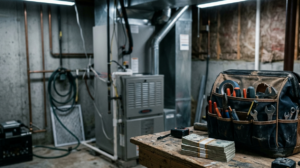
 A burst pipe doesn’t wait for a convenient month. Before buying a first rental or refinancing a fifth, Columbus owners need a real number for how much cash should sit on the sidelines, not a guess.
TL;DR
RLPM recommends six months’ rent in reserve for a Central Ohio rental property, covering maintenance, turnovers, and capital expenses. Two to three months’ rent is a reasonable starting minimum. A single tenant turnover typically runs $3,000 to $5,000, and a major system replacement like an HVAC unit or roof can exceed that on its own. RLPM also requires a per-unit reserve of $350 to $1,500 depending on plan, visible anytime through the owner portal.
Key Takeaways
- RLPM recommends six months’ rent in reserve; two to three months’ rent is a reasonable starting minimum for newer owners.
- A single tenant turnover typically costs $3,000 to $5,000; a major system replacement (HVAC, roof, water heater) often exceeds that on its own.
- RLPM requires a per-unit reserve of $350 to $1,500 depending on plan (Passive, Standard, or Premium).
- Without reserves, small repairs get delayed, turnovers stretch longer, and routine expenses start to feel like emergencies.
- Owners can check their reserve balance anytime through the RLPM owner portal.
In This Article
The Short Answer: Six Months’ Rent Is th Wise Target
Six months’ rent. That’s the reserve RLPM recommends for a Central Ohio rental property, set aside specifically for maintenance, tenant turnovers, and capital expenses (the big-ticket items, like a furnace or a roof, that don’t fit into a monthly budget).
Two to three months’ rent is a reasonable starting minimum for a newer owner building toward that target. The number isn’t pulled from a textbook. A single turnover, covering cleaning, paint, carpet, re-keying, and the carrying cost of an empty unit, typically runs $3,000 to $5,000 in Columbus. An HVAC replacement or a roof repair can clear that figure on its own. One unplanned event is enough to wipe out a thin reserve in a single month.
RLPM also sets a required per-unit reserve, separate from the recommended six-month target: $350 to $1,500 depending on plan (Passive, Standard, or Premium), held specifically so routine repairs don’t stall while waiting on owner approval.
Reserves aren’t idle money. They’re the buffer between a planned expense and a cash flow crisis.
What a Reserve Fund Actually Covers
A reserve isn’t one bucket marked “emergency.” It covers four categories, and most owners underestimate at least one of them.
Routine maintenance and repairs make up the most frequent draw: a garbage disposal, a water heater pilot light, a leaking faucet. Individually these rarely run more than a few hundred dollars, but they add up across a year.
Turnover costs land between tenants: cleaning, paint, flooring repair, re-keying, and the rent an owner doesn’t collect while a unit sits vacant during the turn.
Capital expenses are the category that catches people off guard. HVAC systems, water heaters, roofing, and major appliances are predictable in the sense that systems have a lifespan, but unpredictable in exact timing.
Unexpected events round out the list: a burst pipe in February, storm damage, a vacancy that runs past the typical 4 to 6 week lease-up window. covers one specific unexpected event in detail: what an eviction actually costs an owner from start to finish.
A reserve fund turns a $5,000 roof repair from an emergency into a line item.
What Happens Without Reserves
Owners who skip the reserve fund don’t usually find out the hard way all at once. It shows up first in three smaller patterns.
Deferred maintenance is the most common. A $200 repair gets postponed because the cash isn’t there, and three months later it’s a $1,200 repair because the small problem became a bigger one.
Turnover delays follow close behind. A property that should turn in two weeks stretches to five or six because the owner needs time to fund the work, and each extra week is rent that doesn’t get collected.
Reactive decision-making is the quieter cost. Each repair starts to feel like a crisis instead of a line item, and owners make calls under financial pressure instead of on the merits of the property. This is one of the most common patterns RLPM sees among undercapitalized owners: the property usually isn’t the problem. The missing cushion is.
The owner who budgets for turnovers doesn’t panic when they happen.
How RLPM Helps Owners Track Reserves
Reserves only work if an owner can see them. The RLPM owner portal shows real-time reserve balances alongside rent payments, expenses, and monthly statements, so the number isn’t a mystery between statement cycles.
RLPM can also pay property-related bills directly on an owner’s behalf (with the standing exceptions of HOA dues, mortgages, insurance, and property taxes, which stay with the owner), drawing from the reserve rather than requiring a manual transfer for each vendor invoice.
The required per-unit reserve ($350 to $1,500 depending on plan) functions as the floor that keeps routine repairs moving without an approval delay. The recommended six-month target is the cushion that protects against the bigger surprises.
Frequently Asked Questions
How much should a Columbus landlord keep in reserve per property?
RLPM recommends six months’ rent as the target reserve, covering maintenance, turnovers, and capital expenses, with two to three months’ rent as a reasonable starting minimum.
What’s the difference between RLPM’s required reserve and the recommended reserve?
The required reserve ($350 to $1,500 per unit depending on plan) keeps routine repairs moving without an owner approval delay. The recommended six-month target is a separate, larger cushion against bigger expenses like vacancies or capital repairs.
What if I’m just getting started and haven’t built up a reserve yet?
Start with two to three months’ rent and build from there. A partial reserve still prevents the most common problem: delaying small repairs until they become expensive ones.
Does property age affect how much reserve I need?
It can, but condition matters more than age. A recently updated older property may need less reserve than a newer property with original systems approaching the end of their lifespan.
Where can I see my reserve balance with RLPM?
The RLPM owner portal shows real-time reserve balances alongside rent payments, expenses, and monthly statements, so owners can check the number anytime.
Not Sure Where Your Property Stands?
Get a clear picture of your property’s rent potential before you build a reserve plan around it.
Or schedule a consultation · 614.725.3059
Sources & Suggested External Links
- Baselane: Reserve Fund Account for Landlords & Property Management — industry benchmarks for reserve calculation methods (months of rent, percentage of income, fixed dollar amount).
- SingleKey: How Much Do You Really Need in Your Rental Property Reserves? — rule-of-thumb guidance on reserve sizing for new vs. experienced landlords.