
Executive TL;DR Snapshot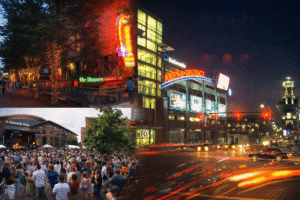
The Arena District in Columbus remains a niche urban rental submarket anchored by entertainment, sports, and proximity to downtown employment. In 2026, its rental stock, predominantly mid- to high-tier apartments and condos, caters to young professionals and renters seeking walkable, lifestyle-oriented living. Most units in the market cluster in the $1,500–$2,000+ range, with premium properties pushing higher. Rents can lease relatively quickly when priced within market reality, but vacancy is higher than core Columbus averages due to the limited size of the neighborhood and its event-driven population swings. Investors should treat pricing discipline, lease timing aligned with downtown employment activity, and tenant profile targeting as core components of a stable strategy.
Why This Neighborhood Attracts Renters
Arena District Overview: A compact, mixed-use district just west of Downtown Columbus, the Arena District is defined by major sports and entertainment anchors like Nationwide Arena, Huntington Park, and Lower.com Field. It’s a walkable, high-amenity neighborhood with bars, restaurants, parks, and cultural activity right at residents’ doorsteps. Its development over the last two decades transformed a former industrial area into one of the city’s most dynamic urban enclaves.
Renter Demand Drivers
- Entertainment & Lifestyle: Constant events, from Blue Jackets hockey games to concerts and festivals, draw both residents and visitors, reinforcing a lively evening and weekend environment.
- Proximity to Employment: Close access to downtown offices and major employers increases appeal for professionals who value short commutes and lifestyle amenities.
- Urban Walkability: A dense mix of amenities and transit access is a key draw for renters prioritizing walkable, car-light living.
Tenant Profile: Predominantly renters (nearly 80% of households) live in the district; owner-occupied units are a minority. A significant portion of homes are renter-occupied, underscoring the neighborhood’s urban rental character.
Lease-Up Timelines & Vacancy Expectations
Vacancy Context: Due to its small footprint and highly fluid population (events, weekend crowds, short-term residents), the Arena District’s vacancy dynamics differ from broader Columbus submarkets.
- Neighborhood Vacancy Snapshot: About 13.3% of housing units sit vacant, a relatively elevated figure that reflects a mix of long-term rentals, transitional units, and occasional short-term occupancy.
Typical Lease-Up Expectations (2026)
Because there is no centralized MLS rental data published specifically for the Arena District, these timelines should be interpreted as directional based on similar centrally located, amenity-rich urban markets in Columbus:
| Property Type | Typical Lease-Up (Priced to Market) |
| Studio / 1-Bed Apartments | 20–50 days |
| 2-Bed Apartments / Condo Units | 35–65 days |
| Premium / Larger Units | 50–80+ days |
Notes:
- Well-priced units that mirror competitive offerings in amenities (in-unit laundry, parking options, finishes) tend to lease faster.
- Design-forward, larger floorplans often have a narrower pool of prospective renters, extending time-to-lease slightly.
Seasonal & Event Friction: Major games and event weekends can compress the local leasing calendar (higher foot traffic and tours), but can also create ephemeral demand spikes that don’t translate to long-term occupancy without a clear pricing strategy.
Rent Ranges (With Guardrails)
The Arena District’s rental stock varies from traditional apartment buildings to loft-style condos. The following ranges reflect listings across multiple real-time rental platforms in early 2026:
| Property Type | Typical Rent Range | Notes |
| Studio / Small 1-Bed | ~$1,060 – $1,450+ | Base level units; pricing varies widely on finishes and building amenities. |
| 1-Bed Standard | ~$1,450 – $2,000 | Most common renter segment; pricing influenced by size and amenity tier. |
| 2-Bed Unit | ~$1,900 – $2,900+ | Higher ceilings for well-located or premium elevators, roof decks, and parking. |
| 3-Bed / Premium Units | ~$2,800 – $5,400+ | Larger units and penthouses; demand is more niche and subject to seasonal timing. |
Pricing Caveats:
- Rents above typical ranges do exist (especially in luxury/amenity-rich buildings), but pushing beyond local comparable sets tends to extend vacancy rather than command premiums.
Neighborhood-Specific Rent Drivers
- Entertainment & Event Calendar
- Sporting events, concerts, and festivals generate episodic renter activity and heightened demand for short-term stays and tours. This cyclical foot traffic can be leveraged in marketing, but does not guarantee sustained long-term occupancy without competitive pricing.
- Walkability and Lifestyle Value
- A dense mix of restaurants, bars, public spaces, and entertainment venues is a core draw, particularly for young professionals. Renters will pay for proximity, but only within a realistic value range compared to similar downtown offerings.
- Building Amenities vs. Over-Improvement
- On-site gyms, rooftop decks, secure parking, and high-end finishes add measurable value. However, over-investing in ultra-luxury features, especially in a supply-heavy period for downtown Columbus, may not generate proportionate rent uplift.
- Parking & Transportation
- Parking is at a premium in the Arena District, often commanding additional fees. Properties that can bundle or offer secure parking may see stronger demand, but surface lot constraints limit broader opportunities.
Seasonality & Lease Timing Strategy
General Trend: Arena District follows broader Columbus seasonality patterns:
- Peak Demand: Late Spring through Early Fall, Graduations, end of school year, and summer job cycles drive higher leasing activity.
- Shoulder Periods: Late Fall, Stable but with careful pricing; shorter windows between events and holidays.
- Slow Season: Winter, Fewer tours, more price sensitivity; discounts or concessions often necessary for sustained velocity.
Strategic Tips
- Align listings with the event calendar where possible. Spring openings ahead of festival season can accelerate occupancy.
- Renewals in shoulder months capture steady demand without pricing overextension.
- Winter pricing discipline pays dividends; avoid overpricing vacuum months.
Legal & Compliance Considerations (High-Level)
State Requirements (Ohio)
- The Ohio Landlord-Tenant Law governs habitability, deposits, and notice requirements; baseline compliance is mandatory across all lease types.
City of Columbus
- Check for any rental registration or inspection requirements that may apply within urban neighborhoods. Though the Arena District does not have unique local ordinances separate from Columbus at large, urban density often triggers more frequent code enforcement interaction.
Fair Housing
- Standardized screening criteria, clear documentation of decisions, and consistency across applicants reduce legal risk and tenant disputes.
Common Owner Questions (FAQs)
Q: How long should I expect my unit to sit vacant?
A: When priced within market ranges and presented well, expect 15+ days depending on size, finishes, and seasonality. Larger or high-end units may take longer.
Q: What rent should I target?
A: Use the ranges above as guardrails. Exceeding them without commensurate amenities or strategic concessions typically increases vacancy duration.
Q: Does the neighborhood’s event focus make it seasonal?
A: Yes, events can create short bursts of interest, but should not be relied upon for sustained rent growth.
Q: Are pets a major factor here?
A: Yes, pet-friendly properties significantly broaden the applicant pool in urban rental contexts.
Q: Is self-management realistic here?
A: Possible for small portfolios, but the urban environment’s turnover intensity, parking coordination, and compliance interactions often make professional management a value proposition.
The Arena District presents a distinctive urban rental niche within Columbus, a blend of lifestyle appeal, downtown employment access, and entertainment density that attracts a defined renter profile. Success here is grounded less in speculative rent spikes and more in discipline: pricing within established market ranges, aligning leasing strategy with seasonal and event-driven demand, and managing operational compliance proactively.
Investors who calibrate offerings to this neighborhood’s rhythm and avoid overestimation of pricing power are poised to achieve stable occupancy and resilient cash flows. If you’d like a professional rent analysis or portfolio performance review tailored to your Arena District assets, that can surface actionable insights before they impact your bottom line.
For a data-driven review of how your Arena District property’s pricing and lease strategy stacks up against current market trends, consider scheduling a tailored rental performance consultation.