
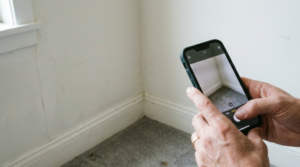
 A tenant hands back the keys. The clock starts. Under Ohio law, you have 30 days to either return the deposit or send a written, itemized deduction list — and what you charge better be defensible. Here’s the full breakdown of Ohio security deposit law for landlords.
TL;DR
Ohio sets no cap on security deposit amounts, but ORC § 5321.16 requires landlords to return deposits within 30 days of move-out with an itemized list of any deductions. Allowable deductions cover unpaid rent, tenant-caused damage beyond normal wear and tear, and necessary cleaning. Miss the deadline or charge for wear-and-tear items, and the tenant can sue for double the amount withheld plus attorney’s fees.
Key Takeaways
- Ohio imposes no statewide cap on security deposit amounts — the amount is set by the lease, though RLPM’s standard practice is 1–2 months’ rent based on the applicant’s credit profile.
- Deposits exceeding $50 or one month’s rent must earn 5% annual interest if the tenant stays six months or longer.
- The 30-day return deadline runs from the date the tenant physically vacates and provides a written forwarding address — not from when the lease technically ends.
- Allowable deductions include unpaid rent, tenant-caused physical damage, and cleaning costs when the unit is left in substantially worse condition than at move-in.
- Normal wear and tear is never deductible. Ohio courts apply a reasonableness standard, and documentation is the deciding factor in disputes.
In This Article
Ohio Security Deposit Law: The Basics (ORC § 5321.16)
Security deposits in Ohio are governed by Ohio Revised Code § 5321.16, which sets the rules for how deposits must be held, when they must be returned, what landlords can deduct, and what happens when they get it wrong. The law is short — three sections — but the penalties for mishandling it are real.
- No statutory cap on the amount. Ohio does not set a statewide maximum. Landlords may charge whatever amount the market and lease support. In practice, 1–2 months’ rent is the standard in the Columbus metro. RLPM sets deposits at 1–2 months’ rent based on the applicant’s credit profile.
- Interest on larger deposits. Under ORC § 5321.16(A), any deposit exceeding $50 or one month’s rent must earn interest at 5% per year if the tenant remains for six months or more. That interest accrues annually and must be paid to the tenant annually or at the end of the tenancy — easy to overlook on longer tenancies, easy to dispute in court.
- The 30-day return rule. ORC § 5321.16(B) requires the landlord to return the full deposit or provide a written, itemized deduction list within 30 days. The clock starts when the tenant physically vacates and provides a written forwarding address — not when the lease expires on paper. If the tenant fails to provide a forwarding address, they forfeit the right to pursue double damages and attorney’s fees. Even so, send any remaining funds to the last known address.
The 30-day clock starts at move-out, not lease expiration. Miss it, and you lose the right to deduct.
- The penalty for getting it wrong. ORC § 5321.16(C) is direct: fail to comply and the tenant can recover the deposit, plus damages equal to the amount wrongfully withheld, plus attorney’s fees. Ohio State Bar Association guidance confirms double damages are mandatory when a court finds wrongful withholding — a $1,500 deposit improperly withheld becomes a $3,000 liability plus legal fees. Franklin County courts hold landlords to strict standards on timing, itemization, and receipts.
Normal Wear and Tear vs. Tenant Damage: The Line That Matters
Ohio’s statute references “noncompliance with section 5321.05 of the Revised Code,” which requires tenants not to intentionally or negligently destroy, deface, or damage any part of the premises. The statute doesn’t define “normal wear and tear” — courts apply a reasonableness test based on the length of tenancy, the condition at move-in, and whether the deterioration would have occurred regardless of who lived there.
Ohio Legal Help puts it plainly: wear and tear is “the sort of thing that happens when a place has been lived in for a while” — not due to negligence or abuse. The practical test: would this condition exist if any reasonable tenant had lived there for the same period?
The table below shows where the line typically falls. Note that tenancy length matters — courts expect a four-year tenant to leave more wear than someone who stayed eight months, and will reduce deductions that don’t account for the natural aging of materials.
If you can’t prove what the property looked like on day one, you can’t prove what the tenant caused.
| Item | Normal Wear and Tear | Tenant Damage |
|---|---|---|
| Paint | Fading, yellowing over 2–3 years | Holes, unauthorized paint colors, heavy crayon/marker |
| Carpet | Traffic patterns, general aging | Pet urine, burns, large stains, damage to pad |
| Walls | Small nail holes, minor scuffs | Punched holes, excessive anchor damage, graffiti |
| Blinds | Fading from sun exposure | Broken slats, missing sections from rough handling |
| Cleaning | Light dust, routine wipe-down | Heavy grease, garbage left behind, industrial-level cleaning required |
| Fixtures and hardware | Normal aging, minor looseness | Missing, broken, or intentionally altered hardware |
What You Can Deduct (With Documentation)
Allowable deductions under ORC § 5321.16(B) fall into a defined set of categories. Every item must be documented with receipts or written estimates.
- Damage beyond normal wear and tear. Physical damage caused by the tenant, their guests, or their pets — holes in walls, broken fixtures, pet stains in subfloor, destroyed blinds, unauthorized alterations. The deduction should match the cost to restore the unit to move-in condition, not upgrade it.
- Unpaid rent. Outstanding rent owed at lease termination is a valid deduction. The itemized statement must show the amount, the period it covers, and how it was calculated.
- Unpaid utilities. If the lease assigns utility responsibility to the tenant and they leave an unpaid balance, those documented costs can be deducted.
- Cleaning costs when the unit was left substantially dirtier than at move-in. The operative word is “substantially.” A light wipe-down is landlord maintenance. A kitchen oven caked in grease, garbage left in every room, or a bathroom requiring industrial cleaning — those are deductible. Itemize the cleaning and attach receipts.
- Replacement of missing lease-inventoried items. If the lease lists specific items (appliances, window hardware, keys) and they’re missing at move-out, documented replacement costs can be deducted.
What You Can’t Deduct: Common Mistakes
These deductions appear in itemization letters regularly, and courts reject them just as regularly.
- Normal wear items. Freshening paint after two years, re-carpeting aged traffic areas, buffing minor scuffs — these are landlord operating costs, not tenant liabilities. Charging for them is the fastest path to a double-damages claim.
- Pre-existing conditions not documented at move-in. If a condition wasn’t noted on the move-in report, the tenant did not cause it as far as any court is concerned. A cracked tile that wasn’t documented at move-in cannot be charged at move-out.
- Upgrades or improvements. Replacing damaged builder-grade carpet with luxury vinyl plank is a property upgrade, not a restoration. Deductions must reflect the cost to return the unit to its prior condition. Pro-rate for the age and remaining useful life of the item.
- Routine cleaning. Cleaning between tenancies is a cost of operating a rental. Charging for it when the unit was returned in reasonably comparable condition to move-in is routinely rejected by courts.
Security deposits protect against tenant-caused damage — they are not a subsidy for routine turnover or property upgrades.
How to Make Your Deductions Defensible
The landlords who rarely face security deposit disputes in Franklin County follow the same documented process every time. Here’s what it looks like.
Step 1: A detailed move-in condition report signed by the tenant
Every room, every surface, every fixture documented before the tenant takes possession. Reports should be specific (“minor scuff on south bedroom wall near closet door”) not vague (“walls: good”). Both parties sign it. This is the baseline everything else is measured against.
[INTERNAL LINK: move-in inspection article — what RLPM checks and why]
Step 2: Timestamped photos at move-in, quarterly inspections, and move-out
Move-in photos establish the baseline. Quarterly photos document mid-tenancy condition and catch issues before they escalate. Move-out photos show what the tenant left behind. Without a clear before-and-after comparison, a damage claim is an assertion. With it, the claim is documented. RLPM’s quarterly inspections create this paper trail on every managed unit as part of the standard process.
Step 3: An itemized deduction list with receipts for every charge
Every line connects to a specific item, location, the nature of the damage, and cost to repair. “Cleaning: $200” is not itemization. “Kitchen cleaning — oven interior, refrigerator, cabinet surfaces with heavy grease buildup beyond normal use: $200, receipt attached” is. Keep every invoice and estimate.
Step 4: Delivery within 30 days to the forwarding address
Mail the itemization and any remaining balance within 30 days of move-out. Courts look at the mailing date. Waiting for final invoices is not a valid reason to miss the deadline — return what you can and follow up before the window closes.
[INTERNAL LINK: turnover cost article — what Columbus landlords should budget for at move-out]
[INTERNAL LINK: move-out process article — what to expect at the end of a lease (September)]
Frequently Asked Questions
How much can a landlord charge for a security deposit in Ohio?
Ohio sets no statutory maximum. Landlords may charge any amount the tenant agrees to in writing. The standard range in Columbus is 1–2 months’ rent, often calibrated to the applicant’s credit profile.
When does the 30-day return clock start in Ohio?
When the tenant physically vacates and provides a written forwarding address. It does not start on the lease expiration date if the tenant moves out later. Courts look at the mailing date of returned funds or documentation, not when the tenant receives them.
What is the penalty for failing to return a security deposit on time in Ohio?
Under ORC § 5321.16(C), the landlord may owe the full deposit amount plus damages equal to the amount wrongfully withheld, plus reasonable attorney’s fees. Courts treat double damages as mandatory, not discretionary.
Does Ohio require landlords to pay interest on security deposits?
Yes, under specific conditions. ORC § 5321.16(A) requires 5% annual interest on any portion of the deposit exceeding $50 or one month’s rent if the tenant stays six months or longer. Interest must be paid annually or at the end of the tenancy.
What qualifies as normal wear and tear under Ohio law?
Ohio doesn’t define it in statute. Courts apply a reasonableness test based on tenancy length and ordinary use. Faded paint, carpet traffic patterns, small nail holes, and minor scuffs generally qualify. Holes in walls, pet stains, burn marks, broken blinds, and unauthorized paint colors generally do not.
What should be included in an itemized deduction letter?
Each deduction should identify the specific item and location, describe why it exceeds normal wear and tear, and state the cost supported by a receipt or estimate. Vague labels like “repairs: $450” are regularly rejected in Franklin County disputes.
Can a tenant sue a landlord for a security deposit in Ohio?
Yes. Tenants can file in small claims court for disputes up to $6,000 under Ohio Revised Code Chapter 5321. The Ohio Legal Help small claims guide covers procedures and what to bring to a hearing.
Not Sure How Your Deposit Handling Stacks Up?
RLPM manages the entire move-out process — inspection, documentation, itemized accounting, and the 30-day return — as part of standard property management. No missed deadlines, no defensible decisions left to chance.
Or get a free rent evaluation · 614.725.3059
Sources & Suggested External Links
- Ohio Revised Code § 5321.16 — Procedures for Security Deposits — The primary statute governing security deposit return requirements, interest, and penalties in Ohio.
- Ohio Revised Code § 5321.05 — Tenant Obligations — Defines the conduct standards against which security deposit deductions for damage are measured.
- Ohio Revised Code Chapter 5321 — Landlords and Tenants — The full Ohio landlord-tenant act.
- Ohio State Bar Association — Ohio Law Gives Tenants Security Deposit Rights — Plain-language explanation of ORC § 5321.16 penalties and tenant remedies.
- Ohio Legal Help — What Is “Reasonable” Wear and Tear? — Practical examples of what Ohio courts consider normal deterioration versus tenant damage.
- Ohio Legal Help — How to File in Small Claims Court — Procedures for security deposit disputes filed in Ohio municipal and county courts.