
Upper Arlington remains one of the most stable suburban rental submarkets in the Columbus metro area. Demand is driven primarily by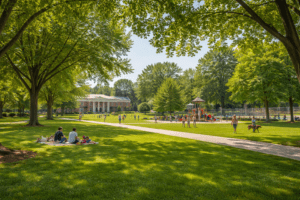 proximity to Ohio State University, access to downtown Columbus, and consistently strong public schools, factors that attract both professionals and family renters.
As of 2026, median rent across property types in Upper Arlington is roughly $1,615 per month, with typical apartment rents averaging around $1,547 for one-bedroom units and roughly $1,977 for two-bedroom units.
For investors, the neighborhood behaves differently from many urban Columbus submarkets. Rental demand exists, but inventory is relatively limited, and a large majority of housing remains owner-occupied. As a result, the market tends to reward well-maintained homes priced realistically rather than aggressively marketed premium rentals.
Well-positioned listings commonly lease within three to six weeks during peak season, while winter listings can take longer unless pricing aligns closely with market expectations.
In practical terms, Upper Arlington performs best for investors focused on stable occupancy, higher-income tenant pools, and long-term hold strategies, rather than rapid turnover or speculative rent growth.
Why This Neighborhood Attracts Renters
Upper Arlington sits immediately northwest of downtown Columbus and borders the Ohio State University area. Its location places residents within a short commute of the region’s largest employment centers, including Ohio State’s medical campus, downtown corporate offices, and major healthcare facilities.
The neighborhood itself is widely known for its residential character, high-performing schools, and low crime rates compared with national averages. Crime levels are roughly 61% lower than the U.S. average, reinforcing its reputation as a stable suburban environment.
For renters, the appeal typically comes down to three lifestyle advantages:
Access to employment centers
Professionals working downtown, at OSU, or in nearby suburban office corridors often look for quieter residential neighborhoods within a short commute.
High-quality schools and a family environment
Upper Arlington schools are a major draw, particularly for relocating professionals or families who prefer renting before purchasing in the district.
Suburban amenities close to urban infrastructure
Parks, local retail corridors, and community amenities create a residential feel that differs from dense Columbus neighborhoods.
From an investment standpoint, this renter profile produces lower turnover but more price-sensitive leasing behavior. Tenants here often compare rental prices to mortgage payments, which naturally creates pricing ceilings.
Lease-Up Timelines & Vacancy Expectations
Vacancy risk in Upper Arlington tends to be lower than in many Columbus neighborhoods because of limited rental inventory. However, pricing discipline remains critical.
A vacant month still represents approximately 8–10% of annual rent lost, making realistic leasing timelines important for investors managing cash flow.
Typical Lease-Up Timelines (2026)
Apartments / Condos (1–2 bedrooms)
- ~20–30 days when priced near market
- Tenant pool often includes young professionals and graduate students
Doubles & Small Multifamily (2–4 units)
- ~25–35 days on average
- Renters frequently compare options in nearby neighborhoods such as Grandview Heights or Hilliard
Single-Family Homes
- ~30–45 days depending on season
- Family renters typically search during school calendar transitions
Common Leasing Friction in Upper Arlington
Certain factors influence leasing speed more heavily in this neighborhood:
- Outdated interiors relative to price
- Lack of garage or off-street parking in older homes
- Overpricing based on nearby home values rather than rental comps
In a market with relatively few rentals available at any given time, condition and pricing accuracy typically outweigh aggressive marketing strategies.
Rent Ranges (With Guardrails)
Rental pricing in Upper Arlington varies widely by property type and condition. Most rental inventory consists of single-family homes rather than large apartment complexes.
The following ranges reflect typical well-maintained properties, not luxury outliers.
| Property Type | Typical Rent Range | Notes |
| 1-Bed Apartment/Condo | $1,350 – $1,650 | Average roughly $1,547 depending on building age and amenities |
| 2-Bed Apartment/Condo | $1,700 – $2,200 | Average near $1,977 in current market data |
| 3-Bed Single-Family Home | $2,400 – $3,000 | Typical range across active listings and rent comps |
| Larger Family Homes | $3,200 – $4,000+ | Smaller renter pool; pricing discipline required |
Overall, average rent levels in Upper Arlington cluster around $1,500–$1,600, depending on property mix, with rent increases averaging roughly 6–7% year over year in recent data.
Investors should treat these ranges as guardrails rather than targets. Listings priced significantly above local comps often experience extended marketing periods.
Neighborhood-Specific Rent Drivers
School District Access
For family renters, school boundaries carry significant weight. Properties within the core Upper Arlington school district tend to command stronger demand than nearby Columbus neighborhoods. Families relocating to the area often rent temporarily before buying, creating a steady but selective tenant pool.
Home Condition vs. Price
Much of Upper Arlington’s housing stock dates from the mid-20th century. Well-maintained interiors and updated kitchens or bathrooms can meaningfully impact leasing speed.
However, overcapitalizing on luxury finishes rarely produces proportional rent increases in this submarket.
Property Type Mix
Unlike urban Columbus neighborhoods with large apartment inventory, Upper Arlington is dominated by owner-occupied single-family homes. Roughly 79% of housing is owner-occupied, leaving a relatively small renter population.
This dynamic creates two outcomes:
- Limited rental inventory stabilizes occupancy
- Rent growth tends to remain moderate because renters have fewer price tiers to move between
Commute Convenience
Access to major employment centers, including Ohio State University and downtown Columbus, continues to support rental demand. Commute convenience frequently ranks alongside school access when renters choose this area.
Seasonality & Lease Timing Strategy
Upper Arlington generally follows the broader Columbus rental cycle, though the family-oriented renter base slightly shifts the timing compared with downtown markets.
Peak Season: May – August
- Strongest renter demand
- School-year transitions drive family relocations
- Faster leasing timelines
Shoulder Season: March – April, September
- Steady activity
- Good window for renewals and moderate rent adjustments
Slow Season: November – February
- Smaller applicant pools
- Listings may take longer to lease without competitive pricing
Strategy Tip
Owners with family-oriented homes often benefit from aligning lease expirations with early summer. This timing captures peak relocation activity tied to school calendars.
Legal & Compliance Considerations (High-Level)
Informational only. Not legal advice.
Ohio Landlord-Tenant Law
Ohio law governs security deposits, maintenance obligations, and notice requirements statewide. Landlords must maintain habitable conditions and handle deposits according to statutory timelines.
Local Housing Codes
Upper Arlington enforces local property maintenance standards that apply to rental properties. Owners should remain attentive to inspection requirements and municipal code compliance.
Fair Housing Requirements
Tenant screening criteria must be applied consistently across applicants. Documented screening procedures help reduce legal exposure and protect owners from discrimination claims.
For investors managing multiple units, standardized application and approval processes can reduce operational risk.
Common Owner Questions (FAQs)
How long does it take to rent a property in Upper Arlington?
Most well-priced rentals lease within three to six weeks during peak season, though winter listings may take longer depending on demand.
What rent should I realistically expect?
Typical rents align with the ranges outlined earlier. Apartments commonly fall around $1,500–$2,000, while single-family homes often lease between $2,400 and $3,000 depending on size and condition.
Is Upper Arlington a seasonal rental market?
Yes. Demand increases significantly during late spring and summer when families relocate before the school year begins.
Do pets affect leasing here?
Yes, but primarily for single-family homes. Allowing pets can expand the applicant pool, though owners should weigh wear-and-tear considerations.
Is self-management practical?
Some owners successfully self-manage single properties. However, compliance requirements, maintenance coordination, and tenant screening complexity increase as portfolios grow.
Final Investor Takeaways
Upper Arlington is not a speculative rental market, and that’s precisely why many investors value it.
Strong schools, high household incomes, and proximity to major employers support steady renter demand. Median household income in the area exceeds $150,000, reinforcing the presence of financially stable tenants.
However, success here depends less on chasing top-of-market rents and more on operational discipline:
- Pricing realistically relative to comparable homes
- Maintaining property condition to match neighborhood expectations
- Structuring leases around seasonal demand patterns
Investors who treat Upper Arlington as a long-term stability play rather than a rapid appreciation strategy tend to see the most consistent results.
For owners who want additional clarity on how their property compares within the neighborhood, a free, detailed rent evaluation or operational review can help identify pricing risks, vacancy exposure, and potential improvements before they impact returns.