
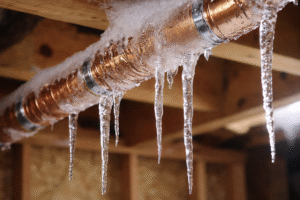
 After Columbus’s recent Level 3 snow emergency, one thing became very clear: winter here isn’t just inconvenient – it can get expensive fast, especially for rental property owners. Heavy snow, prolonged freezing temperatures, ice, and sudden cold snaps put serious strain on homes across Central Ohio. Older properties are particularly vulnerable, with aging plumbing, drafty construction, and limited insulation creating ideal conditions for winter-related damage. One frozen or burst pipe can quickly turn into water damage, emergency repairs, tenant disruption, and avoidable costs at the worst possible time of year.
In this guide, we’ll walk through practical, proven winter maintenance best practices (starting with how to prevent frozen and burst pipes) so Columbus landlords can protect their properties, reduce risk, and make it through winter with fewer surprises and fewer emergency calls.
The Big Risk: Frozen and Burst Pipes
Why Pipes Freeze in Ohio Winters
In Central Ohio, winter temperatures regularly dip into the teens, and sometimes well below zero during cold snaps. When temperatures drop to around 20°F or lower, water inside pipes can begin to freeze, especially in areas exposed to cold air. As water freezes, it expands. That expansion creates pressure inside the pipe, which can cause it to crack or burst.
The real damage often happens after the pipe thaws. Once ice melts, water flows through the break and can quickly flood basements, walls, or ceilings before anyone realizes there’s a problem. For landlords, this can mean costly repairs, displaced tenants, insurance claims, and extended vacancy… all from a preventable winter issue.
Why Older Homes Are Especially Vulnerable
Columbus has a large inventory of older housing, and these properties face higher risk during winter months. Many were built long before modern insulation standards and cold-weather plumbing best practices were common.
Older homes often have outdated plumbing materials, such as galvanized steel or aging copper, which are more susceptible to corrosion and failure under pressure. Insulation may be inconsistent or minimal, particularly in exterior walls, basements, and attics. Drafts around windows, doors, and utility penetrations allow cold air to reach pipes more easily.
Additionally, older layouts frequently place plumbing in unheated or poorly heated areas (basements, crawlspaces, garages, attics, or exterior walls) where temperatures fluctuate dramatically. These are the first places pipes freeze when a cold snap hits.
Understanding why and where pipes freeze is the first step. The next sections focus on specific, practical ways landlords can reduce risk and protect their properties before winter damage occurs.
Best Practices: Preventing Frozen Pipes
Preventing frozen pipes comes down to reducing exposure to cold air and keeping water from sitting still long enough to freeze. These steps are especially important during prolonged cold snaps and overnight lows in Columbus winters.
1. Keep Water Moving
During extreme cold, allowing faucets to drip slowly can significantly reduce the risk of freezing. Moving water is much less likely to freeze than water sitting still in a pipe. This is most important for faucets connected to plumbing in unheated areas, such as basements, crawl spaces, garages, or pipes that run along exterior walls. For landlords, this is a simple instruction to share with tenants before major cold events.
2. Insulate Exposed Pipes
Any visible or accessible plumbing in unheated spaces should be insulated before winter arrives. Foam pipe sleeves are inexpensive, easy to install, and effective. For especially vulnerable sections, heat tape or heat cable can provide an added layer of protection when used properly. Focus on basements, crawl spaces, utility rooms, garages, and any pipes located near exterior walls, which tend to freeze first in older homes.
3. Seal Air Leaks Near Pipes
Cold air reaching pipes is often the real culprit. Small gaps around windows, doors, foundation cracks, and utility entry points can funnel freezing air directly onto plumbing. Sealing these areas with caulk or weatherstripping helps stabilize indoor temperatures and protects nearby pipes. This is a low-cost improvement that pays off beyond winter by improving overall energy efficiency.
4. Maintain Indoor Heat
Consistent heat is critical during cold spells. Even when a property is vacant or a tenant is traveling, indoor temperatures should not drop too low. Setting a minimum thermostat temperature helps protect plumbing and prevents costly emergency repairs. Sudden temperature swings are far more dangerous than steady, moderate heating.
5. Prepare Outdoor Fixtures
Outdoor spigots should be shut off from the interior valve, fully drained, and protected with insulated covers or frost caps. Any hoses should be disconnected well before freezing temperatures arrive. These small steps can prevent exterior pipe freezes that often lead to interior water damage once thawed.
Taking these preventative measures dramatically reduces the risk of frozen pipes and helps keep winter maintenance predictable instead of reactive.
What to Do If You Suspect a Frozen Pipe
Even with the right preventative steps in place, extreme cold can still lead to frozen pipes, especially in older Columbus homes. Knowing how to recognize the warning signs and respond quickly can limit damage and reduce repair costs.
Signs Pipes May Be Frozen
One of the most common indicators is reduced or no water flow from a faucet, particularly when only one fixture is affected. You may also notice frost forming on exposed pipes or visible condensation on sections of plumbing in unheated areas. In some cases, tenants report unusual sounds, such as whistling, gurgling, or banging when turning on a faucet. These early signs should be taken seriously, as pressure can build quickly behind a frozen section of pipe.
Basic Steps to Take Before Calling a Professional
If a frozen pipe is suspected, the first step is to open the affected faucet. This relieves pressure in the system and reduces the risk of a pipe bursting once the ice begins to thaw.
Next, gently apply heat to the frozen section of pipe. Safe options include warming up the entire property (if heat was previously off), using a space heater positioned several feet away, wrapping the pipe with warm towels, or increasing the temperature in the surrounding room. The goal is slow, even warming, not rapid temperature changes.
It is critical to never use open flames, blowtorches, or high-intensity heat sources. These methods are extremely dangerous and can damage pipes, ignite surrounding materials, or create serious safety hazards.
If the frozen section cannot be located, if pipes remain frozen after gentle warming, or if any signs of leaking appear, a licensed professional should be contacted immediately. Acting quickly can mean the difference between a manageable repair and extensive water damage.
Understanding how to respond in the moment is just one part of winter preparedness. The next step is addressing the broader winter maintenance issues that affect Columbus rental properties beyond plumbing alone.
Should you turn the water off?
It can make sense to shut off the main water supply in specific situations, but it should not be the default response for every winter issue. Turning off the water is most appropriate for vacant properties, extended tenant absences during extreme cold, or when a pipe is already frozen and there is concern it may burst during thawing. In these cases, shutting off the water can prevent significant flooding and limit damage if a pipe fails.
For occupied homes, turning off the main water is usually not recommended unless there is an active leak or clear risk of failure. Tenants need access to water, and some heating systems rely on water pressure to operate correctly. In most situations, maintaining heat, keeping water moving, and addressing insulation issues is a safer and more practical approach than shutting off the supply.
Other Critical Winter Maintenance for Columbus Homes
*Especially important for older properties with age-related vulnerabilities!*
While frozen pipes tend to get the most attention during winter, they are far from the only risk Columbus landlords need to manage. Cold weather exposes weaknesses across a home’s systems, and older properties often feel those effects first. Addressing these areas proactively helps prevent emergency calls, tenant safety issues, and avoidable repair costs.
1. HVAC and Heating Systems
A reliable heating system is the backbone of winter protection. Furnaces and boilers should be serviced before winter begins to ensure they are operating safely and efficiently. Filters should be replaced regularly, as dirty filters restrict airflow and force systems to work harder during peak demand. In older homes, ductwork should also be inspected for leaks or poorly sealed joints that allow warm air to escape into unconditioned spaces.
2. Roof, Gutters, and Ice Dams
Clogged gutters are a common winter problem in Columbus, especially in fall-heavy neighborhoods with mature trees. When gutters are blocked, melting snow has nowhere to go and can refreeze at the roofline, creating ice dams. These dams force water under shingles and into ceilings or walls. Proper gutter cleaning, along with adequate attic insulation and ventilation, helps keep roof temperatures consistent and reduces ice buildup.
3. Insulation and Air Sealing
Drafts are more than a comfort issue, they directly impact heating costs and pipe safety. Older homes often have gaps around windows, doors, attic hatches, and utility penetrations. Sealing these areas with caulk or weatherstripping helps stabilize indoor temperatures, lowers energy usage, and reduces cold air reaching vulnerable plumbing. Even small improvements can have an outsized impact during extended cold spells.
4. Safety Devices
Winter means homes are sealed tighter and heating systems run longer, which increases the importance of working safety devices. Smoke detectors and carbon monoxide detectors should be tested regularly, and batteries replaced as needed. Carbon monoxide risks increase during winter due to furnaces, gas appliances, and blocked exhaust vents caused by snow or ice.
5. Snow and Ice Management
Snow and ice management is both a safety and liability issue. Walkways, driveways, and entry points should be cleared promptly to reduce slip-and-fall risks. Snow should also be kept clear of foundation vents, dryer exhausts, and furnace intake pipes. Blocked vents can cause appliance failures or dangerous exhaust backups.
Together, these winter maintenance steps help ensure rental properties remain safe, functional, and predictable throughout Columbus’s coldest months.
Tailored Tips for Older Homes
Older Columbus homes often need extra attention in winter because they were not designed with modern efficiency standards in mind. One of the simplest upgrades is installing storm window kits or thermal window film, which can significantly reduce drafts and heat loss without the cost of full window replacement. This helps stabilize interior temperatures and lowers heating strain.
Closing off unused rooms can also make a noticeable difference. Fewer heated spaces means less heat loss and more consistent temperatures in occupied areas, which helps protect plumbing and reduce energy costs. Just be mindful that rooms with plumbing should still receive some heat to avoid freezing.
Finally, consider adding insulation where older homes typically fall short, especially in attics and crawl spaces. These areas are major sources of heat loss and cold air intrusion. Improving insulation here not only helps prevent frozen pipes but also improves comfort and efficiency year-round.
Seasonal Maintenance Checklists and Timelines
Breaking winter maintenance into seasonal phases helps landlords stay organized and proactive.
Pre-Winter (Fall): Schedule furnace or boiler inspections, replace filters, inspect attic insulation, seal drafts around doors and windows, and insulate exposed pipes. Clean gutters and prepare outdoor spigots before freezing temperatures arrive.
During Winter: Monitor weather forecasts closely, especially during extreme cold events. Instruct tenants on when to drip faucets, maintain consistent heat, and report issues early. Keep walkways clear of snow and ice, and ensure vents and exhausts remain unobstructed.
Post-Freeze: After severe cold spells, inspect properties for signs of damage. Check pipes for leaks, look for ceiling or wall stains, and address small issues before they turn into major repairs. Schedule follow-up maintenance as needed
Prepared Homes Weather Winter Better
Winter maintenance in Columbus is about preparation, not emergency response. Proactive steps like insulating pipes, servicing heating systems, and addressing drafts early help prevent costly damage and tenant disruption during cold snaps. At RL Property Management, we specialize in keeping rental homes prepared and well-maintained through the winter months with proactive maintenance, regular inspections, and clear communication with both owners and tenants. If you want help protecting your property and avoiding winter emergencies like frozen or burst pipes, contact us today to schedule a consultation.