
 A slow leak under a bathroom sink costs a few dollars to fix in March. Left alone until December, it can cost $3,000 in subfloor and drywall repairs. The difference between those two outcomes is usually one thing: whether anyone looked.
TL;DR
A quarterly rental property inspection checks safety equipment, appliances, plumbing, HVAC, exterior condition, and lease compliance four times a year. That cadence catches seasonal problems an annual walk-through misses, builds the timestamped documentation that makes security deposit deductions defensible in Ohio, and keeps small repairs from becoming emergency-sized ones. RLPM includes quarterly inspections in all three management plans.
Key Takeaways
- Quarterly inspections cover smoke and CO detectors, appliances, plumbing, HVAC, exterior condition, safety items, and resident lease compliance in a single visit.
- Columbus weather creates a different failure mode each season, so a 12-month inspection gap leaves three seasons of problems undetected.
- Timestamped inspection reports create the condition record that makes security deposit deductions defensible under Ohio law (ORC 5321.16, as of August 2026).
- Tenants who know inspections happen on a schedule tend to report problems earlier and take better care of the property.
- Most self-managing owners inspect annually at best, which is how aging water heaters, clogged dryer vents, and slow roof leaks go unnoticed until they become expensive.
In This Article
What Gets Checked During a Quarterly Rental Inspection?
A quarterly inspection is not a casual walk-through. It follows a defined checklist that covers the systems most likely to fail, the items that create liability, and the lease terms that only get verified by someone standing inside the property.
Here is what a thorough quarterly inspection covers, and why each item earns its place:
| Inspection Area | What Gets Checked |
|---|---|
| Smoke & CO detectors | Tested for function, batteries replaced, units replaced if 10+ years old |
| Appliances | Condition and function of range, refrigerator, dishwasher, washer/dryer hookups |
| Plumbing | Visible leaks, water pressure, water heater age and condition, caulk and seals |
| HVAC | Filter condition, operation check, seasonal readiness for heat or cooling |
| Resident responsibilities | Cleanliness, lease compliance, unauthorized occupants or pets |
| Exterior | Gutters, siding, landscaping, walkways, grading around the foundation |
| Safety & liability | Railings, window locks, egress, exterior lighting, trip hazards |
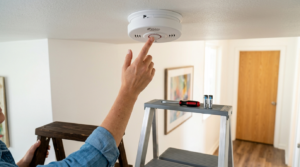
The detector line deserves a closer look, because it carries the most legal weight. Ohio’s Residential Code requires smoke alarms in each sleeping room, outside each sleeping area, and on each level of the home, with carbon monoxide alarms outside sleeping areas in homes that have fuel-fired appliances or an attached garage (Ohio Administrative Code 4101:8-3-01, as of August 2026). The U.S. Fire Administration recommends replacing smoke alarms entirely after 10 years. That is why RLPM inspectors do not just press the test button: they check the manufacture date on the back of the unit and replace anything 10 years or older.
Landlords also carry a broader duty here. Ohio law requires rental property owners to keep the premises fit and habitable and to maintain electrical, plumbing, heating, and ventilating systems in good and safe working order (ORC 5321.04, as of August 2026). A quarterly inspection is the practical mechanism for meeting that duty before a problem gets reported, rather than after.
A smoke detector that fails a test costs a few dollars to replace. One that fails in a fire changes lives and lawsuits.
Why Quarterly Instead of Annual?
A lot can change inside a property in 12 months. The case for quarterly cadence comes down to how problems actually develop: slowly, quietly, and in patterns that follow the calendar.
Each Columbus season has its own failure mode
Central Ohio weather is hard on houses in four distinct ways. Spring thaw pushes water at foundations and reveals winter damage to roofs and gutters. Summer heat strains air conditioning systems that may not have run since September. Fall drops leaves into gutters right before they need to move the most water. Winter puts pipes in exterior walls and unheated spaces at risk the moment a cold snap hits.
An annual inspection sees exactly one of those seasons. The other three go unobserved, and problems from those seasons get 9 to 12 months of runway before anyone with a checklist walks the property. The math on that runway is unforgiving: a pinhole supply-line leak that starts in March can rot a vanity cabinet, buckle flooring, and feed mold behind drywall by December. What began as a $150 service call becomes a $3,000 restoration project.
A quarterly inspection that catches a slow leak in week 6 saves the $3,000 repair that shows up in month 10.
Small windows keep small problems small
The value of inspecting four times a year is not that more problems occur. It is that the same problems get caught earlier in their lifecycle, when the fix is minor. A filter change, a re-caulked tub surround, a cleared gutter run: these are minutes of work at inspection time. The emergency versions of those same items (a failed furnace blower, water intrusion, an ice dam) cost hundreds to thousands of dollars and usually arrive at the least convenient moment. RLPM’s in-house maintenance team handles routine repairs at $84/hour plus a $15 trip charge (2026 rates), and the repairs that come out of inspections are consistently on the small end of the scale precisely because they were caught on a schedule.
How Do Inspections Change Tenant Behavior?
Quarterly inspections also work as a tenant accountability touchpoint, and this effect is observable across a portfolio. Residents who know a documented inspection happens each quarter keep the property in better shape between visits. Unauthorized pets and occupants surface early instead of at move-out. Lease compliance conversations happen while issues are small and fixable rather than after months of drift.
There is a second, less obvious benefit: residents report problems sooner. When an inspector asks “anything not working the way it should?” four times a year, the dripping faucet or sticking door gets mentioned instead of ignored. Tenants often assume small problems are not worth a maintenance request. An inspection visit removes that barrier, and early reports are cheaper reports.
Tenants who know inspections are coming take better care of the property. That’s not a theory; it’s observable.
This is also where inspections quietly support retention. A resident who sees the property being looked after tends to stay longer, and renewals are the cheapest leasing outcome available to an owner. Current renewal rates for RLPM-managed properties are published on the live KPI scorecard.
How Do Inspections Protect Your Security Deposit Position?
Ohio’s security deposit statute puts the burden of proof on the landlord. Deductions must be itemized in writing within 30 days of move-out, and wrongful withholding exposes the owner to damages equal to the amount wrongfully withheld plus the tenant’s attorney fees (ORC 5321.16, as of August 2026). In a dispute, the question becomes: can you prove the damage happened during this tenancy and that it goes beyond normal wear and tear?
That is a documentation question, and quarterly inspections answer it. Here is how the record works in practice:
- The move-in inspection establishes baseline condition with timestamped photos.
- Each quarterly inspection adds a dated condition snapshot throughout the tenancy: photos, notes, and any items flagged to the resident.
- The move-out inspection closes the record and identifies what changed.
Read together, that progression tells a clear story about what changed and when. Carpet damage that appears between the Q2 and Q3 reports is hard for anyone to attribute to a prior tenant or to pre-existing wear. Compare that with the typical self-managed dispute: a move-in form from three years ago, no interim documentation, and a memory. Franklin County small claims magistrates see both versions regularly, and the documented one holds up. For a fuller breakdown of what Ohio owners can and cannot deduct, see the security deposit rules guide.
In a deposit dispute, the owner with four dated inspection reports wins the argument the owner with a memory loses.
What Do Self-Managing Owners Typically Miss?
Most self-managing owners inspect annually at best. Many only see the inside of the property at move-out, which means the condition record has a gap the length of the entire tenancy. The items that slip through that gap follow a consistent pattern:
- Aging water heaters. A typical tank water heater lasts 8 to 12 years. The date is printed on the unit, but someone has to look at it. A planned replacement costs far less than the version that fails and floods a basement.
- Clogged dryer vents. Lint buildup is a genuine fire hazard and a quiet efficiency drain. Residents rarely report it because nothing appears broken.
- Slow roof leaks. A water stain in a closet ceiling can sit unreported for months. By the time it drips, the decking is often already compromised.
- Foundation and grading issues. Downspouts discharging against the foundation, soil settling toward the house, hairline cracks widening season over season.
- Dead or missing detectors. Residents disable chirping alarms more often than owners expect, and a disabled detector is a liability sitting on the ceiling.
The pattern across that list: catching these items during an inspection takes minutes. Catching them as emergencies costs hundreds to thousands of dollars, plus the vacancy and turnover disruption that often follows a major repair. Seasonal upkeep between inspections matters too; the spring maintenance checklist for Columbus rentals covers what the March-to-May window should include.
Trade groups make the same point. The National Association of Residential Property Managers (NARPM) treats routine, documented property inspections as a core standard of professional management, and it is one of the clearest dividing lines between professionally managed and self-managed outcomes.
Quarterly inspections are included in all three RLPM management plans (Passive, Standard, and Premium), not sold as an add-on. For an owner, that means the inspection cadence described in this article is simply how the property gets managed, with photo-documented reports available in the owner portal after each visit.
Frequently Asked Questions
How often should a rental property be inspected?
Quarterly is the professional standard: four scheduled interior and exterior inspections per year, plus move-in and move-out inspections that bookend each tenancy. Annual-only inspections leave three seasons of potential problems undetected.
Can a landlord inspect a rental property in Ohio without notice?
No. Ohio law requires reasonable notice before entry (24 hours is presumed reasonable) except in emergencies, per ORC 5321.04 (as of August 2026). Scheduled quarterly inspections with advance notice satisfy this easily.
What does a quarterly property inspection check?
Smoke and CO detectors, appliance condition, plumbing and water heater, HVAC operation and filters, exterior items like gutters and walkways, safety items like railings and locks, and resident lease compliance including unauthorized pets or occupants.
Do quarterly inspections annoy tenants?
Handled professionally, with advance notice and a predictable schedule, most residents view them as a sign the property is cared for. Inspections also give residents a regular chance to raise small maintenance concerns.
How do inspections help with security deposit deductions in Ohio?
They create dated, photographed condition records throughout the tenancy. Under ORC 5321.16 (as of August 2026), that documentation is what makes deductions defensible if a former tenant disputes them.
Are quarterly inspections included in RLPM’s management fee?
Yes. Quarterly inspections, plus move-in and move-out inspections, are included in all three RLPM plans at no additional charge.
Find Out What a Looked-After Property Feels Like
Talk through your property’s inspection and maintenance needs with a team that walks its managed properties four times a year.
Or get a free rent evaluation · 614.725.3059
Sources & Suggested External Links
- Ohio Revised Code 5321.04 – Landlord obligations, including fit-and-habitable duty and notice before entry
- Ohio Revised Code 5321.16 – Security deposit procedures, itemization, and remedies
- Ohio Administrative Code 4101:8-3-01 – Residential Code of Ohio smoke and CO alarm requirements
- U.S. Fire Administration – Smoke alarm placement, monthly testing, and 10-year replacement guidance
- NARPM – Professional standards for residential property managers